
Why Your Jaw Hurts (and Why Massage or Botox Might Not Fix It)
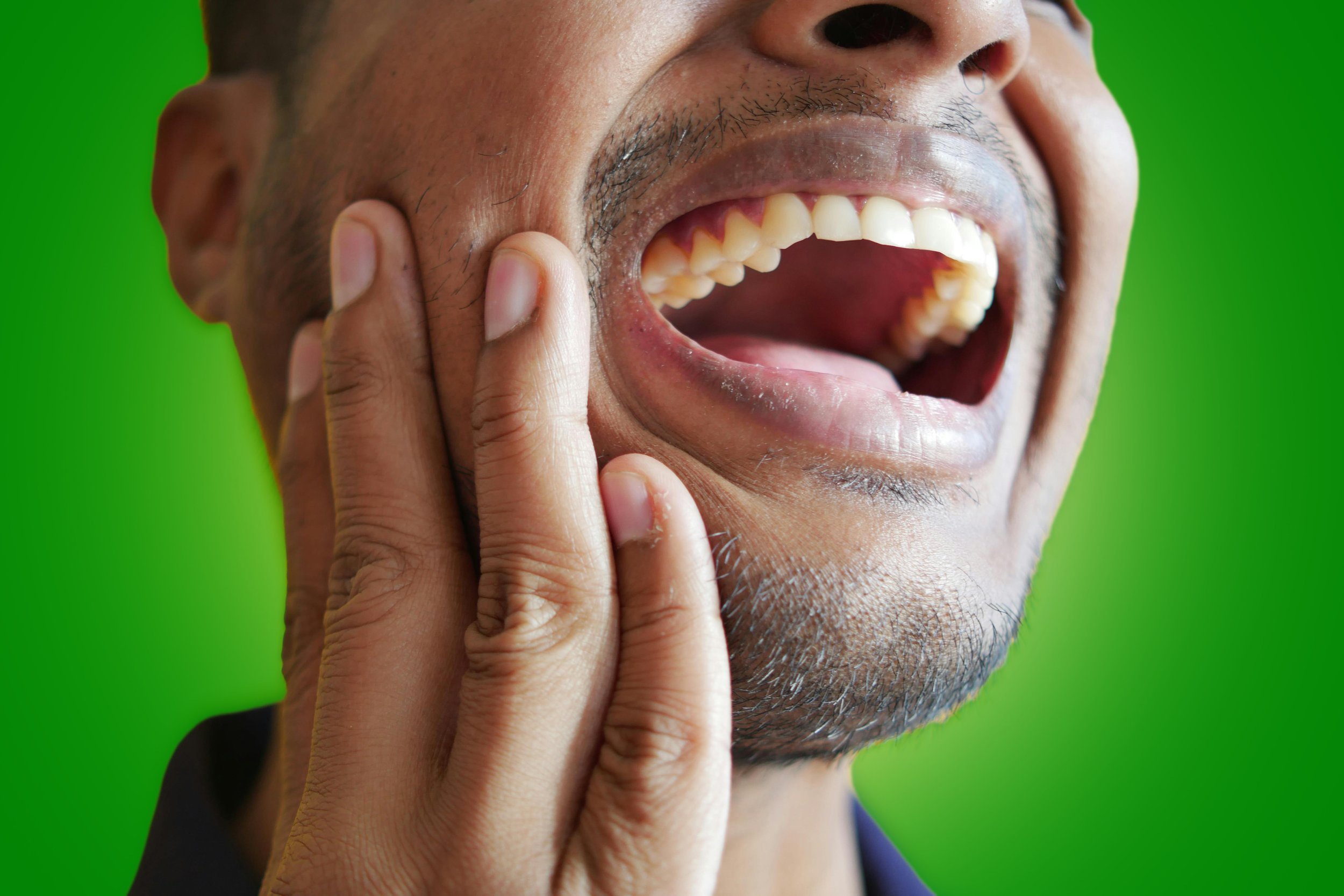
Jaw pain can start suddenly and linger for weeks, months, or even years if the real cause isn’t addressed.
It often shows up as tightness, clicking, or soreness when you chew, talk, or wake up in the morning. Many people try massage, night guards, or even Botox injections to manage it. Sometimes that helps for a while, but when the pain keeps coming back, it’s a sign the problem runs deeper than most treatments reach.
In this article, we’ll look at what’s really happening when your jaw hurts, why common fixes don’t always work, and what can make a lasting difference.
The Hidden Muscles Behind Jaw Pain
Most treatments focus on the two muscles you can feel easily: The masseter, strong muscle at the angle of your jaw and the temporalis, fan-shaped muscle on the side of your head
But there are actually four muscles involved in chewing. The other two, the medial and lateral pterygoids, are smaller, deeper, and located inside the mouth. When these tighten or spasm, they can cause clicking, limited motion, and deep, stubborn pain that surface work can’t reach.
Why Does My Jaw Hurt?
Jaw discomfort can come from different sources, and sometimes it’s a mix of them:
Clenching or grinding your teeth (especially during stress or sleep)
Neck or shoulder tension that pulls on the jaw
Posture habits from computer or phone use
Trigger points in the muscles that control chewing
Joint irritation in the temporomandibular joint (TMJ) itself
If you’ve already tried massage or muscle relaxants and still feel tightness or pain, the problem might not be where you think it is.
In the video, Dr. Spencer Freeman explains how these deeper muscles often drive jaw pain, and why so many standard treatments fail to address them.
Why Massage, Night Guards, or Botox Don’t Always Work
Massage and Botox can be helpful when the masseter or temporalis muscles are the main problem, but when the deeper pterygoids are involved, those treatments won’t reach the source.
That’s why some people spend months trying different therapies or dental adjustments without long-term success.
Once those inner muscles are released correctly, improvement usually comes quickly.
A Better Way to Treat TMJ Pain
At Freeman Chiropractic Wellness in Ithaca, we take a targeted, full-structure approach to jaw pain.
Using gentle intra-oral techniques (working inside the mouth), we release tension in the deeper pterygoid muscles while also addressing surrounding areas like the neck and posture.
It’s not the most glamorous treatment. but it’s safe, fast, and remarkably effective. Most patients notice 40–50% less tension or pain after one visit. If there’s no improvement, that tells us there’s another factor at play, and we adapt accordingly.
When to Get Checked Out
You don’t have to live with chronic jaw pain or keep guessing what’s causing it.
It’s worth getting evaluated if you notice:
Clicking or popping that’s getting worse
Pain that spreads into your face, temples, or ears
Difficulty opening or closing your mouth fully
Jaw tightness that returns after massage or Botox
Jaw pain is common, but it’s not normal, and it often responds quickly once the right cause is found.
If what you’ve read sounds familiar, it’s likely those deeper jaw muscles are part of the problem, and that’s exactly what we specialize in.
Find Relief That Lasts
At Freeman Chiropractic Wellness, you’ll get a full evaluation, a clear explanation of what’s happening, and treatment during your very first visit if appropriate. Most patients reach their goals within just a few sessions.